Colombia is staring down a climate crisis that could reshape the country’s economy and daily life. Authorities warn that a potentially historic Super El Niño event is consolidating, with an 82% probability of striking between May and July 2026. This isn't just another dry season; it's a threat to water supplies, electricity grids, and food prices across central Colombia and the Caribbean coast.
The stakes are incredibly high. If forecasts hold true, this phenomenon will dominate weather patterns through late 2026 and into early 2027. We’re talking about record-breaking heat, severe droughts, and energy shortages that could push inflation above 7%. For millions of Colombians already feeling the pinch of rising living costs, this news feels less like a forecast and more like a warning shot.
Why the Alarm Bells Are Ringing Now
Here’s the thing: the timeline has accelerated. Just weeks ago, experts were looking at a 62% chance of El Niño developing. Now? That number has jumped to 82% for consolidation in the coming months. By year-end, the probability sits above 90%, making it practically certain that the phenomenon will take hold.
IDEAM, Colombia's national environmental agency, alongside the national government, has officially raised alarms. They aren't predicting a mild or moderate event. According to scientific analyses, we are looking at a "strong" or "very strong" intensity scenario. The director of the relevant agency explicitly ruled out weak outcomes, stating that the incoming event would have elevated intensity.
This shift in probability isn't isolated to local data. International bodies are seeing the same trends. The National Oceanic and Atmospheric Administration (NOAA) reports a 61% chance of El Niño emerging by July, with a one-in-four probability of it reaching "super" status. Meanwhile, models from the European Centre for Medium-Range Weather Forecasts suggest Pacific Ocean temperatures could rise 3°C above average—exceeding the 2°C threshold that defines a super El Niño.
The Energy Squeeze: Lights Out?
But wait, there’s a deeper layer to this crisis. Colombia’s energy grid is heavily dependent on hydroelectric power. When reservoirs dry up, the lights don’t just flicker—they threaten to go out entirely.
The Corporación Autónoma Regional de Cundinamarca (CAR), the environmental authority for central Colombia, warns that domestic water supplies and industrial production are already under threat. To prevent blackouts, thermal power plants will likely need to operate continuously for at least 18 months to allow water levels to recover. This isn't a minor adjustment; it's a massive structural shift that impacts gas supply chains and regulatory frameworks.
Authorities have already begun urging citizens to conserve water and electricity. But can households cut usage enough to offset a systemic shortage? The answer remains unclear, but the tension is palpable. A control dashboard has been implemented to monitor plant performance and demand scenarios, signaling that the government is treating this as an imminent operational emergency.
Food Prices and Inflation Spike
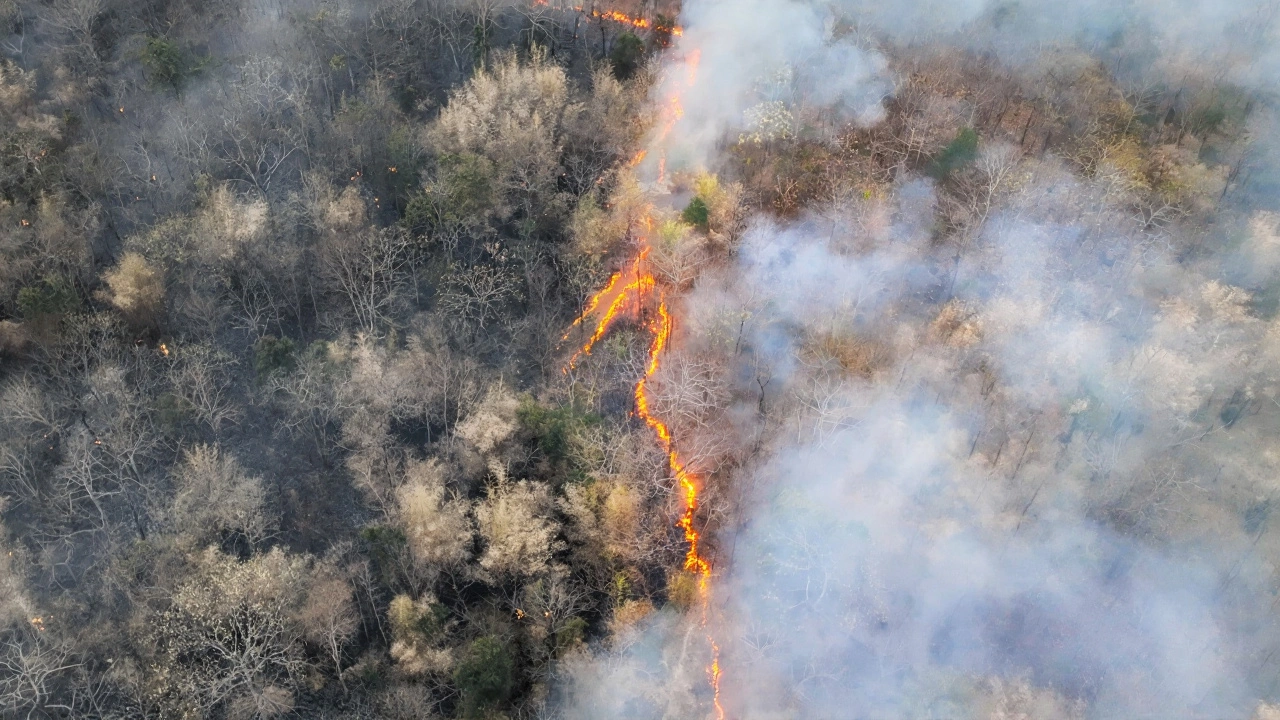
The ripple effects extend far beyond the utility bill. Agriculture is particularly vulnerable to prolonged drought and extreme heat. Meteorologists predict temperatures in the Caribbean region could surpass 40 degrees Celsius. That kind of heat devastates crops and livestock.
Industry groups are sounding the alarm on staple foods. Expect sharp price increases for milk, rice, vegetables, and beef toward the end of the year. The National Association of Financial Institutions (ANIF) warns that these supply shocks could push Colombian inflation above 7%. For families already struggling with high living costs, this adds renewed pressure to household budgets.
It’s a vicious cycle: drought reduces harvests, harvests reduce supply, and supply drops drive up prices. And unlike previous years, this isn't just a local issue. Global food supplies are also at risk, with similar drought conditions threatening agriculture in parts of Australia, Indonesia, and northern South America.
A Global Phenomenon with Local Pain
While Colombia bears the brunt of the drought, El Niño reshapes weather worldwide. Think of the Pacific Ocean like a giant radiator. When it heats up, it transfers energy into the atmosphere, boosting global average temperatures.
Paul Roundy, professor of atmospheric science at the University at Albany, puts it bluntly: there’s roughly a 50% chance this event becomes the strongest in historical records. He noted that his estimate doubled from 20% just a few weeks ago, highlighting how rapidly conditions are evolving.
Scientists warn that either 2026 or 2027—and especially 2027—could become the warmest year on record. While regions like Peru and Ecuador face flooding risks, Colombia, Central America, and parts of Southeast Asia face severe drought. The humanitarian impact could be significant, straining resources and displacing communities.

What Comes Next?
The next few months are critical. As we move into the second half of 2026, the intensity of the El Niño is expected to peak. Authorities are prioritizing communication campaigns and structural measures to ensure financial sustainability in the energy sector. But for the average citizen, the advice is simple: prepare for hotter days, higher bills, and tighter food supplies.
The details of long-term adaptation strategies are still being finalized, but the immediate message is clear. This isn't a drill. It's a test of resilience for a nation caught in the crosshairs of a changing climate.
Frequently Asked Questions
When is the Super El Niño expected to hit Colombia?
The phenomenon is expected to consolidate between May and July 2026, with an 82% probability for that window. It is projected to persist through the remainder of 2026 and into early 2027, peaking in strength during late autumn or early winter.
How will this affect my electricity bill?
With hydroelectric generation under stress due to drought, thermal power plants may need to run for 18 months. This increased reliance on gas-fired plants could lead to higher energy costs and potential supply instability for households.
Which food prices are likely to rise?
Staple foods such as milk, rice, vegetables, and beef are at highest risk. Prolonged drought and extreme heat in agricultural zones can devastate crop yields and livestock health, driving up market prices significantly by year-end.
Is this really a 'Super' El Niño?
A 'Super' El Niño is defined by sea surface temperatures rising more than 2°C above normal. Current forecasts suggest anomalies could reach 3°C, exceeding this threshold. While not guaranteed, experts give it a one-in-four chance of reaching 'very strong' intensity.
What should I do to prepare?
Authorities urge conserving water and electricity immediately. Households should anticipate higher utility bills and food prices. Staying informed via official channels like IDEAM and preparing for potential supply disruptions is key to navigating the coming months.