
Stella Darby wasn’t just a name whispered in backrooms or scribbled in police logs-she was a woman who lived through a time when being seen in public with the wrong kind of attention could end your freedom, your reputation, even your life. Born in 1887 in London, she moved to Paris in her early twenties, not because she wanted to be famous, but because she needed to survive. The city offered anonymity, cash, and a strange kind of freedom for women who had nowhere else to turn. Her story isn’t one of glamour or seduction, as later myths would claim. It’s one of resilience, survival, and the quiet defiance of a woman who refused to be erased.
Back then, the line between sex work and other forms of survival was thin, often invisible to outsiders. Many women in Paris worked as seamstresses, waitresses, or shop clerks during the day and took clients at night. Some kept quiet. Others, like Darby, didn’t. She was known for her sharp tongue, her love of books, and her refusal to wear the masks society demanded. If you were looking for an escort gitl paris in the 1910s, you might have found her at a café near Montparnasse, dressed in a tailored coat and reading Rilke, not the other way around.
What Made Her Different?
Most women in her position were recorded only when arrested, fined, or worse. Police files called them ‘prostitutes’ without names, ages, or histories. But Stella Darby left traces elsewhere-in letters to friends, in the memoirs of artists who knew her, and in the quiet testimonies of those who saw her as more than her job. She didn’t hide her work, but she refused to let it define her. She wrote poetry. She attended lectures at the Sorbonne. She kept a dog named Marcel and took him for walks along the Seine every morning.
Her clients weren’t just wealthy men. She worked with students, journalists, even a few women who came to her for advice or company. She didn’t charge by the hour. She charged by the conversation. If you wanted her time, you had to earn it. That made her unusual. It also made her dangerous-in the eyes of the law, in the eyes of the press, and in the eyes of men who believed women like her should be silent.
The Myth of the ‘Old Pro’
The term ‘old pro’ was used in newspapers to describe women like her-women who had been doing this for years, who knew the rules, the cops, the safe houses, the ways to disappear. But the label erased their humanity. It turned lived experience into a stereotype. Stella Darby was never called an ‘old pro’ in her lifetime. That label came later, written by men who never met her. They painted her as a hardened figure, a relic of a bygone era. In reality, she was in her late thirties when the war ended. She was tired, yes. But she was also learning Spanish, planning to move to Mexico, and writing a book about the women she’d known.
Her book was never published. The manuscript disappeared after her death in 1952. Some say it was burned. Others say it was stolen by a collector who didn’t want the truth to get out. Either way, the world lost a rare voice-one that didn’t romanticize sex work, didn’t vilify it, but simply told it as it was: hard, lonely, sometimes beautiful, and always human.

Paris Then, Paris Now
Today, Paris still draws people looking for connection, escape, or something more. The city has changed. The red lights of Montmartre are gone. The brothels have been replaced by private apartments and apps. The language has changed too. You’ll hear terms like escorta paris or scort in paris online, whispered in forums, tucked into ads that promise discretion, luxury, or fantasy. But behind those words are real people-women, men, nonbinary individuals-trying to survive, to pay rent, to find dignity in a system that still treats them as invisible.
Stella Darby would have recognized them. She wouldn’t have called them ‘prostitutes.’ She wouldn’t have called them ‘escorts.’ She would have called them by their names.
Her Legacy Isn’t in the Files
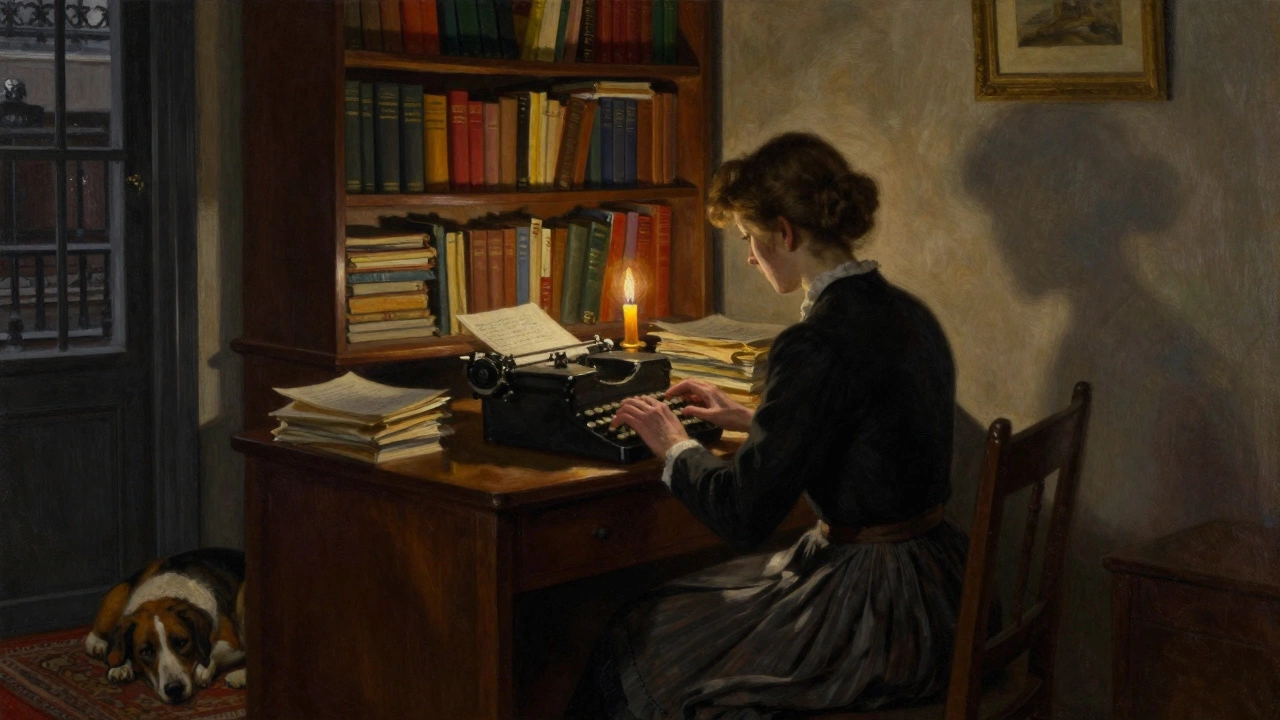
If you search for Stella Darby in archives, you’ll find a handful of police reports, a couple of blurry photos, and one faded newspaper clipping from 1923 that calls her ‘a nuisance.’ But if you dig deeper-into the memoirs of French poets, into the diaries of women who lived in the same building, into the oral histories collected by a retired professor in Lyon-you’ll find something else. A woman who read Proust aloud to her neighbors. Who taught a girl how to tie a tie. Who saved money for five years to buy a typewriter so she could write her own story.
She never became famous. She never wanted to. But she refused to be forgotten. And in a world that still tries to label, silence, and sanitize the lives of people who do work like hers, that refusal is her greatest legacy.
Why Her Story Matters Today
People still talk about sex work like it’s a choice between sin and salvation. But the truth is more complicated. Most people don’t enter this work because they want to. They enter because they have to. And when they do, they’re often met with judgment, not support. Stella Darby’s life reminds us that behind every label-whether it’s ‘prostitute,’ ‘escort,’ or ‘sex worker’-there’s a person with a past, a dream, and a voice that deserves to be heard.
Her story isn’t about Paris. It’s not even really about sex work. It’s about what happens when society looks away. When we reduce people to their most visible act, we lose the whole person. And once that’s gone, it’s nearly impossible to get back.